As operational demands continue to increase across utilities, infrastructure, and public services, organizations are looking for more reliable and structured ways to manage their systems. One technology that plays a key role in this transformation is SCADA (Supervisory Control and Data Acquisition).
SCADA is no longer limited to large industrial environments. Today, it is widely used in water utilities, public infrastructure, transportation facilities, and commercial operations to improve visibility, reliability, and operational control.
This article explains the role of SCADA in general terms, what it does, why it matters, and how it supports modern operational management.
Operational Challenges Without an Integrated System
Before implementing SCADA, many organizations face common challenges such as:
- Delayed information from field operations
- Manual monitoring of equipment and processes
- Inconsistent responses to operational disturbances
- Operational data scattered across multiple sources
- Difficulty monitoring multiple locations simultaneously
These conditions make operations harder to control and increase the risk of service disruptions.
What Is SCADA in Simple Terms?
SCADA is a system that allows organizations to:
- Monitor operational conditions in real time
- Control equipment remotely
- Collect and store operational data centrally
- Receive alerts when abnormal conditions occur
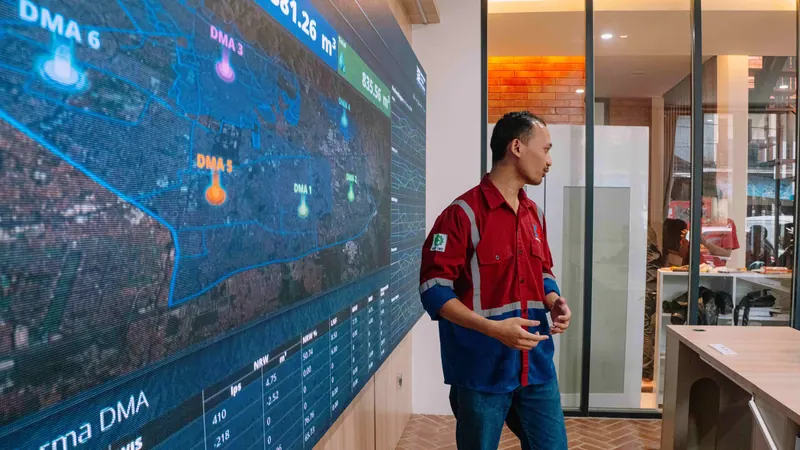
With SCADA, field conditions can be observed and understood from a single control center without constant physical presence at each site.
The Role of SCADA in Modern Operations
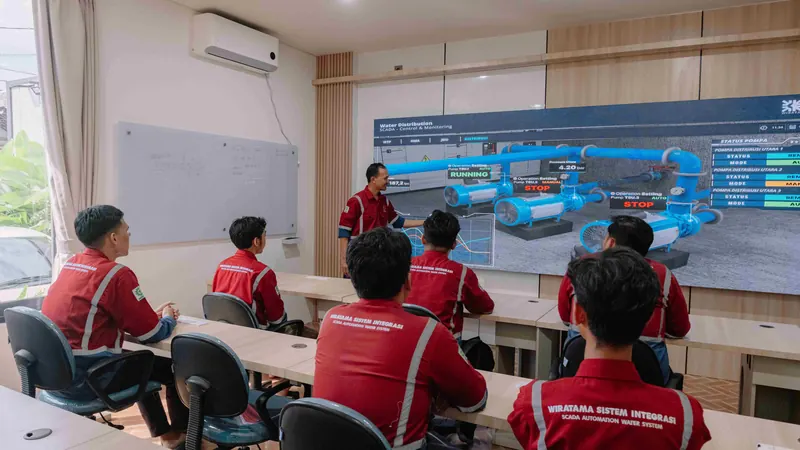
In daily operations, SCADA functions as the “eyes and ears” of the system. It helps organizations:
- Maintain continuous awareness of equipment and process conditions
- Reduce reliance on manual inspections
- Keep operations stable and consistent
- Respond faster to incidents and abnormalities
This is especially important for systems that must operate continuously.
Benefits of SCADA for Operations and Management
SCADA delivers value across different levels of an organization.
For Operations Teams
- Consistent real-time monitoring
- Faster response to operational issues
- Reduced human error
- More orderly and controlled operations
For Management
- Greater transparency into operational performance
- Historical data for evaluation and planning
- Data-driven decision-making
- Visibility across multiple locations and departments
SCADA bridges the gap between technical operations and managerial oversight.
SCADA as a Foundation for Digital Transformation
SCADA is often the first step toward broader digital initiatives, including:
- Process automation
- Remote operations
- IoT integration
- Operational analytics
- Smart utility and smart infrastructure development
By implementing SCADA, organizations establish a strong foundation of control and data for future system enhancements.
Who Can Benefit from SCADA?
SCADA is relevant across many sectors, including:
- Water and energy utilities
- Public infrastructure
- Transportation and airport facilities
- Industrial zones
- Commercial and service facilities
Each organization can scale SCADA according to its operational size and complexity.
Conclusion
SCADA is not just a technology platform, it is a strategic tool for improving operational reliability, transparency, and control. With real-time visibility and centralized data, organizations can operate more confidently, respond more effectively to challenges, and prepare for the demands of the future.