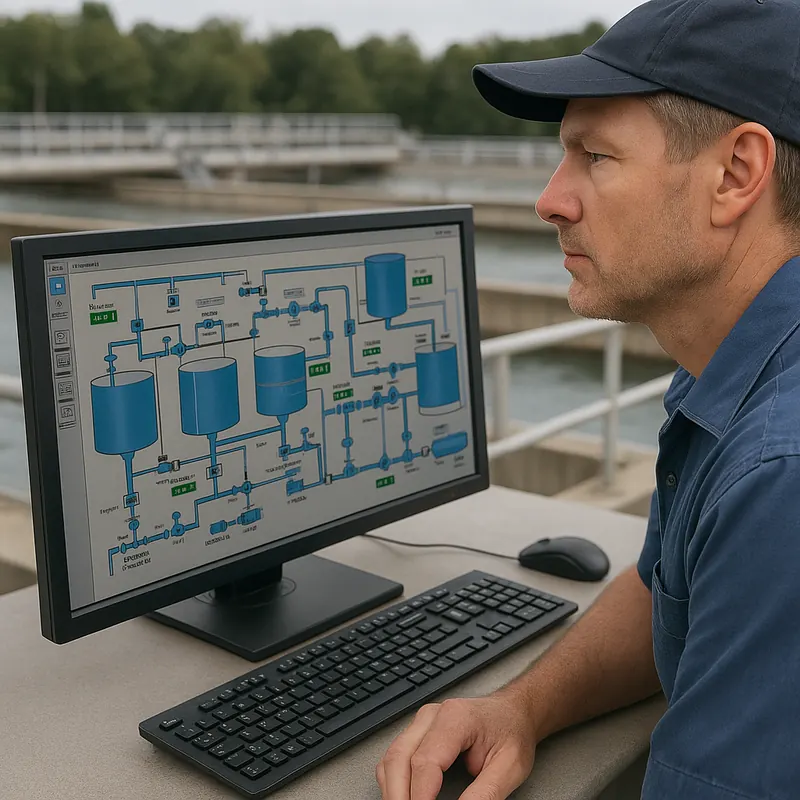
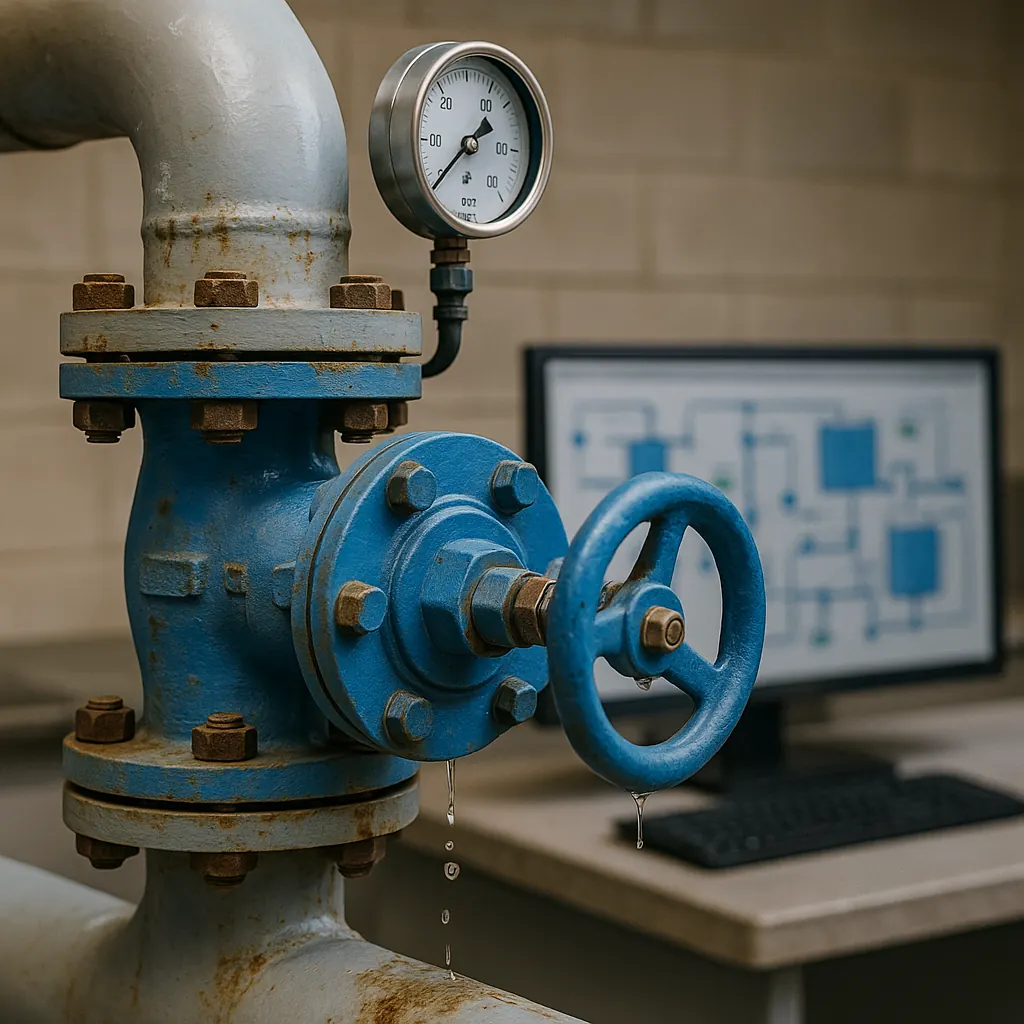
Fortunately, technological advancements—such as SCADA (Supervisory Control and Data Acquisition)—offer automation solutions that not only accelerate response times but also improve overall operational efficiency.
Here are five key challenges in water system management and how SCADA automation can address them:
1. Pipeline Leaks and Non-Revenue Water (NRW)
Challenge:
One of the most persistent problems in water distribution is pipe leakage, which leads to non-revenue water. In many regions, water loss can reach 30–40%, meaning nearly half of the produced water never reaches the end user.
SCADA Solution:
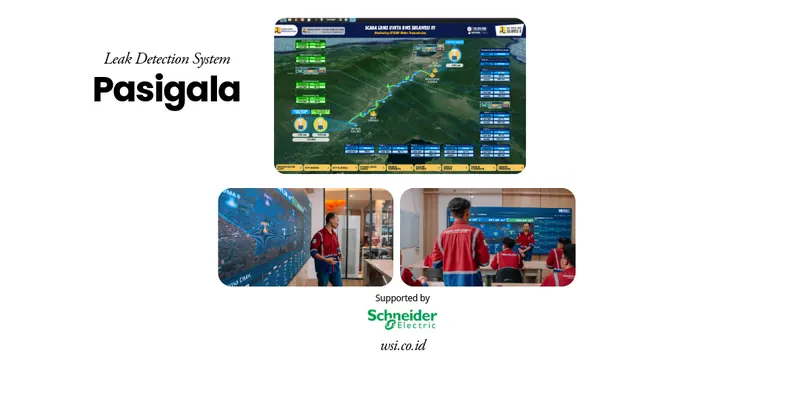
With pressure and flow sensors integrated into SCADA systems, operators can detect changes in pressure or flow in real time—early indicators of leakage. SCADA also enables real-time zoning and mapping, allowing for quicker localization and repair of leaks before they escalate into major losses.
2. Energy Inefficiency in Pump Operations
Challenge:
Pumps are among the highest energy consumers in water systems. Poorly optimized operations—like pumps running unnecessarily or for too long—result in energy waste and high operational costs.
SCADA Solution:
SCADA allows pump control based on time schedules, demand, or water levels monitored in real time. Combined with Variable Frequency Drives (VFDs), pump speeds can be adjusted according to actual needs. The result: significant energy savings and extended equipment lifespan.
3. Lack of Visibility and Integrated Monitoring
Challenge:
Wide and dispersed water networks are difficult to monitor manually. The lack of field information slows down decision-making and reduces accuracy, especially during emergencies.
SCADA Solution:
SCADA consolidates all field data—pressure, flow rate, water quality, equipment status—into a central dashboard. This provides full operational visibility, enabling data-driven decisions, faster responses, and crisis prevention.
4. Water Quality Disruptions from Pressure Fluctuations and Contamination
Challenge:
Unstable pressure or poorly sealed systems can allow contaminants to enter the distribution pipes. If undetected, this poses serious health risks to consumers.
SCADA Solution:
SCADA can monitor water quality parameters such as turbidity, pH, and chlorine residuals. When deviations from safe thresholds are detected, the system issues alarms or can even shut off the water supply automatically to prevent contamination from spreading.
5. Difficulties in Preventive Maintenance and Planning
Challenge:
Many water systems still rely on reactive maintenance—waiting for equipment to fail before taking action. This leads to unplanned downtime and higher repair costs.
SCADA Solution:
SCADA collects historical data that can be analyzed to detect usage patterns, wear indicators, and potential failure points. This insight enables predictive and preventive maintenance schedules, reducing sudden breakdowns and extending asset life.
Toward Smarter and More Resilient Water Systems
Managing a water system is no easy task, but automation through SCADA can significantly overcome these major challenges. This technology offers speed, precision, and control that are simply not possible with manual methods.
Investing in automation systems is not only a short-term fix—it is a strategic move toward smart, energy-efficient, and sustainable water management, ready to meet today’s needs and tomorrow’s demands.
🚀 Optimize Your Water Management with SCADA Integration by Wiratama Sistem Integrasi
Leading Solutions for Efficiency and Reliability in Water Treatment Systems
Achieve a smart and integrated water treatment system with Wiratama Sistem Integrasi. We provide full SCADA solutions—from design and installation to commissioning—for both drinking water and wastewater industries. Gain real-time control, energy efficiency, and full system visibility.
💧 Improve efficiency, reduce water loss, and ensure high-quality distribution with automation technology from Wiratama Sistem Integrasi—your trusted SCADA integration partner in Indonesia.